Conversion-Led Platform & Funnel Ecosystem Design
Marketplace merchandising, DTC storytelling, and lifecycle systems built to drive measurable growth.
Scope: Marketplace + Direct-to-Consumer ecosystems
Channels: Amazon, Brand.com, Lifecycle, Campaign Landing Pages
Mandate: Transform fragmented commerce touchpoints into cohesive, conversion-driven brand experiences.
The Context
As the brand scaled across retail, marketplace, and DTC, customer journeys became increasingly complex.
Traffic was growing, but storytelling, education, and merchandising lacked cohesion across platforms.
Key challenges:
Inconsistent product narratives across Amazon + DTC
Low customer education on product benefits
Under-leveraged visual merchandising
Disconnected lifecycle and retention storytelling
Conversion friction across funnel stages
The opportunity was an ecosystem design.
I led the creative strategy and execution to unify the commerce experience.
-
Increase platform conversion rates
Improve product education + decision confidence
Create visual consistency across retail + owned channels
Build modular storytelling systems
Strengthen retention through lifecycle design
-
This initiative required leadership across:
Creative direction
UX + merchandising design
Conversion optimization
Lifecycle storytelling
Platform systems thinking
Cross-functional alignment (growth, eComm, CRM)
I operated at the intersection of brand, product, and revenue, translating business goals into scalable creative ecosystems.
-
A core part of my leadership was operationalizing creative.
I built repeatable frameworks, including:
Email design systems
Landing page templates
Product storytelling modules
Campaign asset kits
Impact:
Faster deployment timelines
Lower production costs
Consistent brand expression
Easier cross-team collaboration
-
Unified marketplace + DTC storytelling
Conversion-optimized product education
Scalable campaign deployment systems
Stronger retention design infrastructure
Elevated brand consistency across commerce environments
Platform 1 — DTC Experience
End-to-End Funnel Ecosystem Design
On DTC, the opportunity expanded beyond purchase into lifecycle.
I led the design of a full-funnel storytelling system spanning:
Landing pages
Product detail pages
Campaign hubs
Email flows
Retention journeys


Funnel Architecture
We mapped the entire customer journey:
Awareness → Consideration → Conversion → Retention → Advocacy
Each stage required a distinct creative psychology.
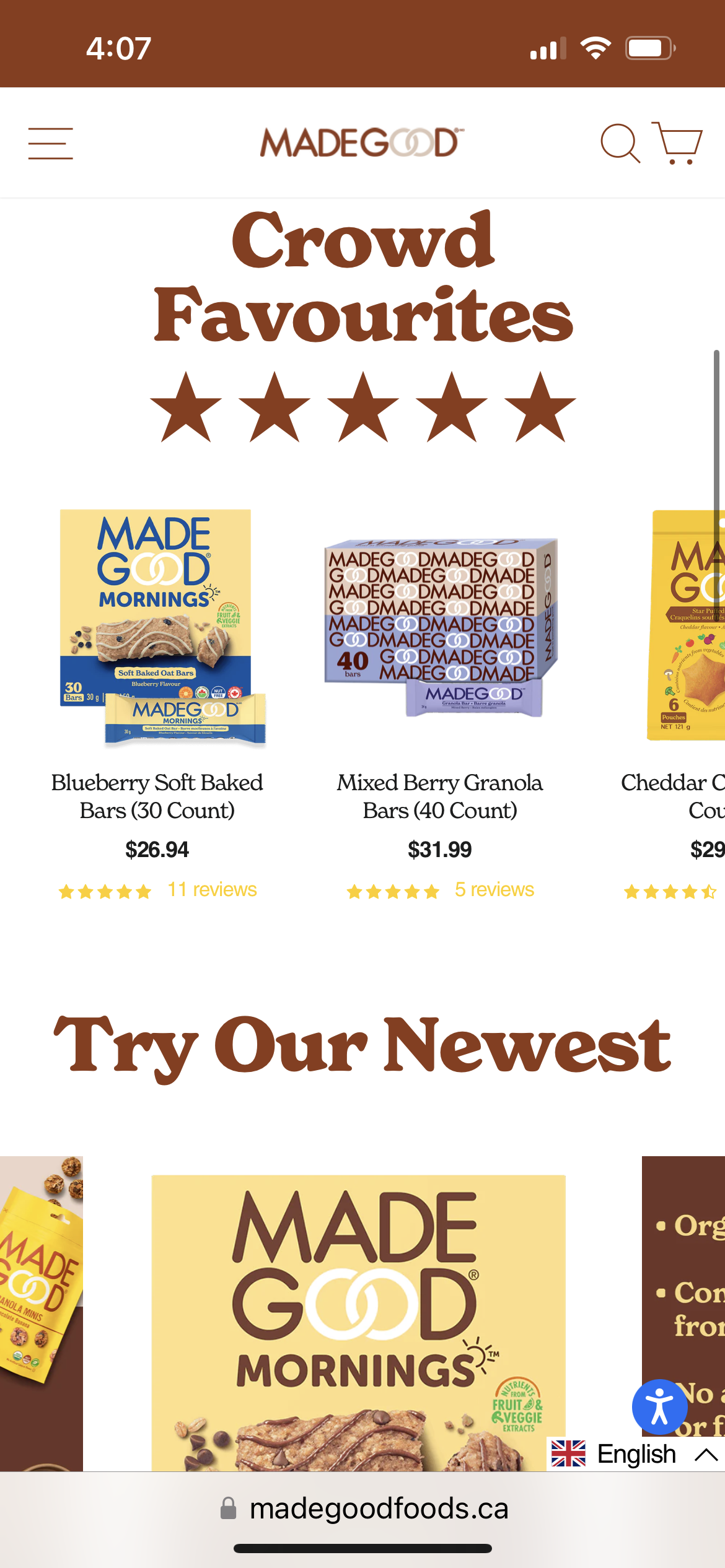
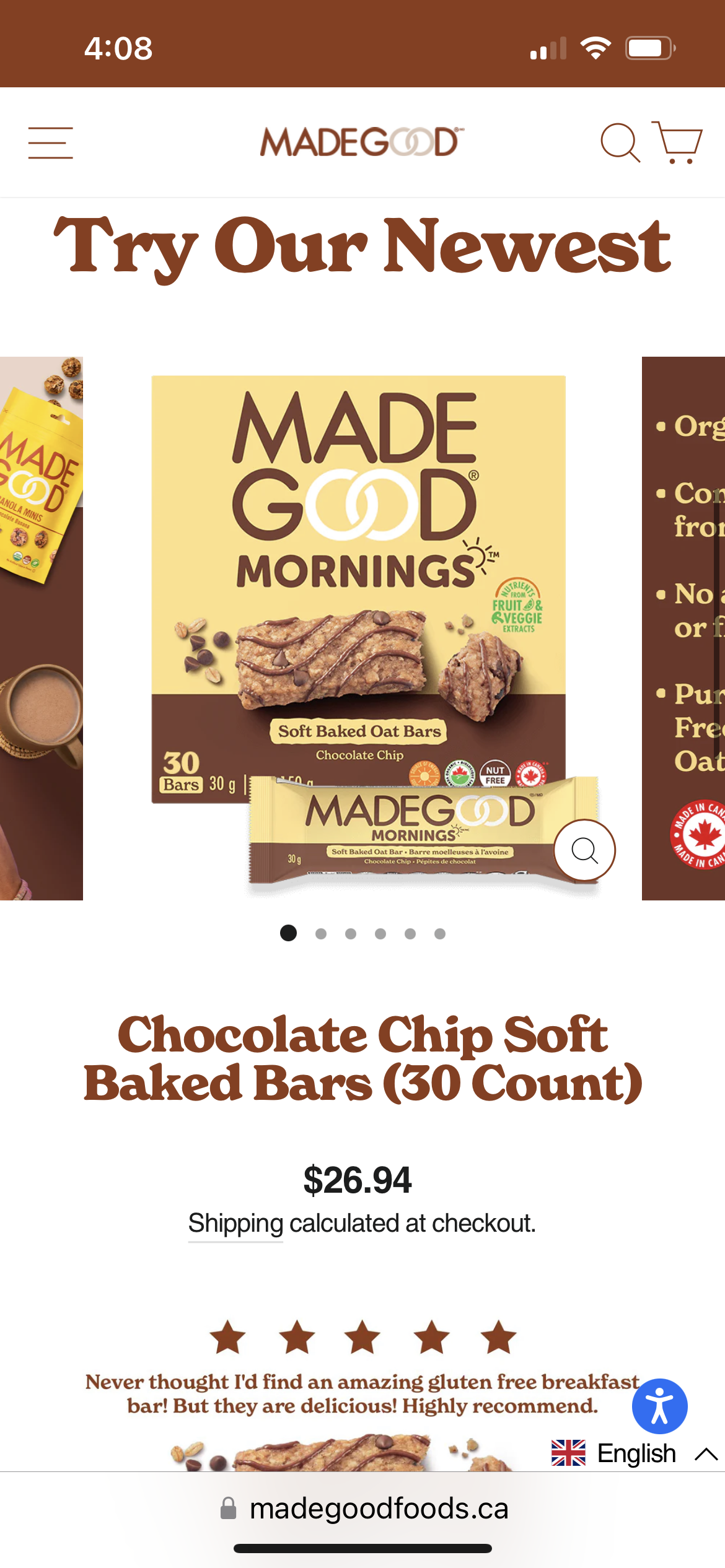
DTC goals were overachieved by ensuring that MadeGood’s consumer needs were immediately addressed:
Fast check-out for brand champions
Discoverability and personal recommendations.
Before the revamped consumer journey, 48% of the visitors demonstrated purchase intent; however, my analysis showed that people were hitting “dead ends” with no other alternative than to return to the home page or bounce out.
By building a thorough Information Architecture, I created journeys that ensured there was always a new product to discover.


Lifecycle & Retention Design
Retention became a major growth lever.
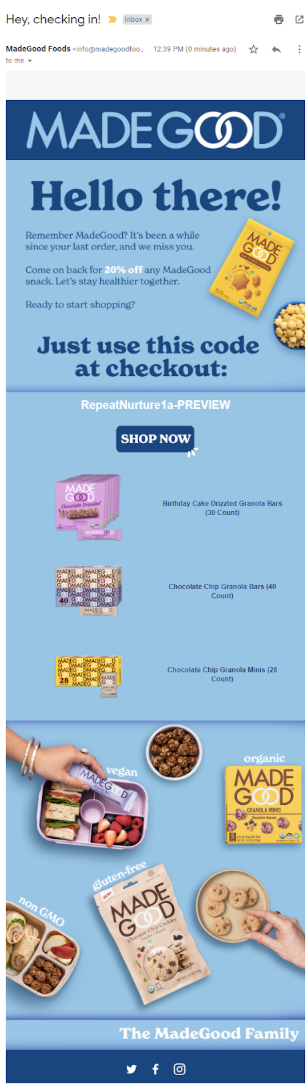
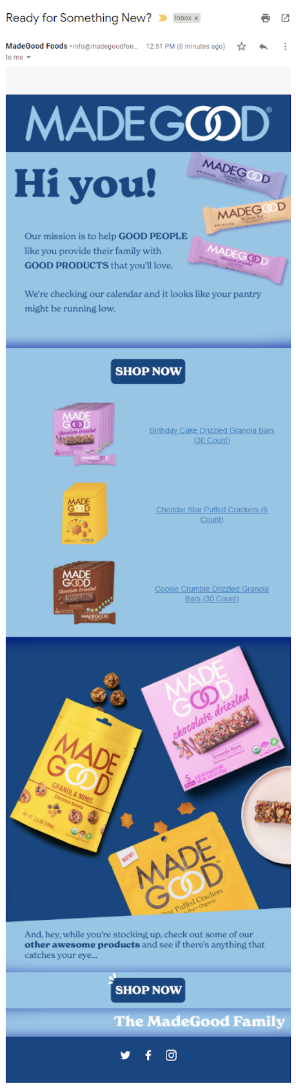
I led the creative direction for lifecycle systems, including:
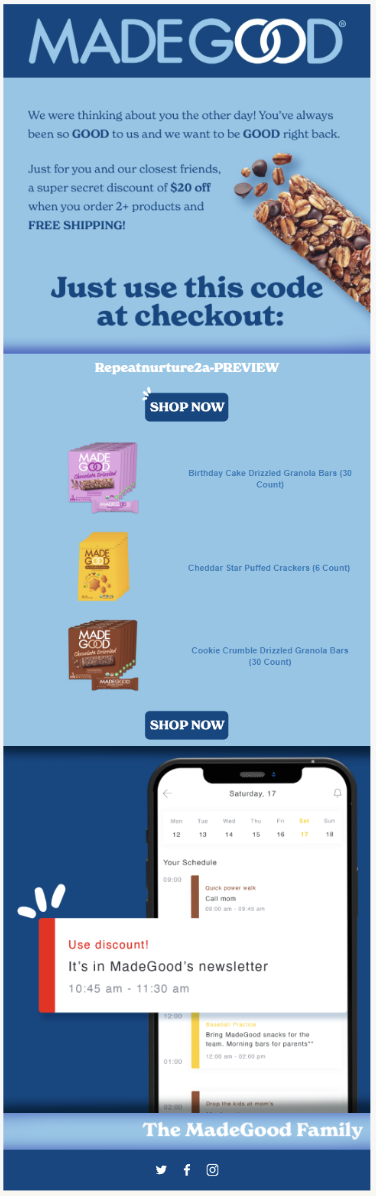
Welcome flows
Product education series
Subscription storytelling
Seasonal campaigns
Replenishment reminders
CRM Storytelling Strategy
Rather than promotional blasts, we built narrative arcs:
Brand mission education
Ingredient deep dives
Family lifestyle integration
Recipe + usage content
This positioned the brand as a partner for everyday life.

Platform 2 — Marketplace Experience
Amazon Storefront & Product Ecosystem
Marketplace shoppers behave differently than DTC customers:
Lower brand familiarity
Higher comparison behaviour
Faster purchase decisions
Heavier reliance on visual education
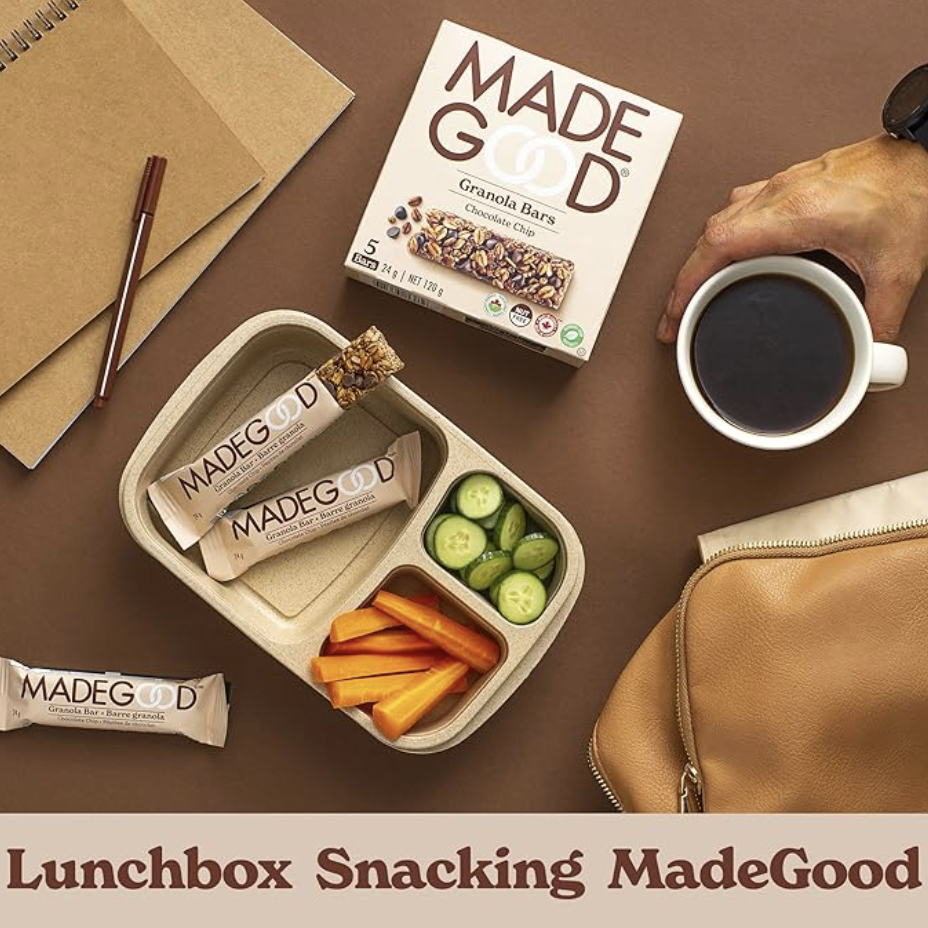
I led the redesign of the Amazon storefront and PDP ecosystem to function as a self-guided brand education hub.




Creative & UX Strategy
We restructured the storefront to guide users through a narrative journey:
Brand mission + differentiation
Ingredient education
Product benefits
Lifestyle integration
Cross-sell pathways
Every module served both storytelling and conversion.
Conversion Design Enhancements
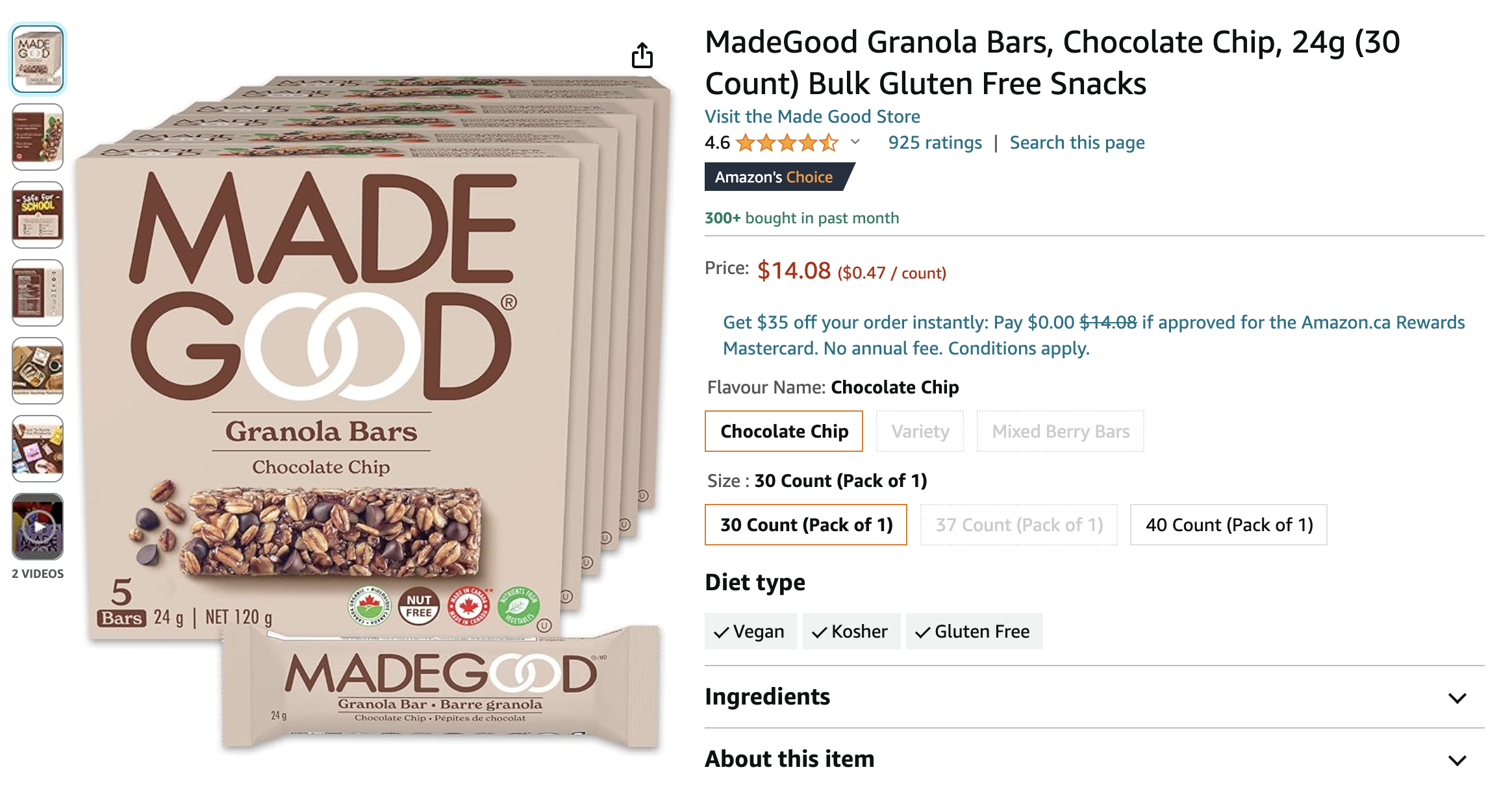
Key improvements included:
Comparison charts simplifying product selection
Benefit-first product storytelling
Ingredient callout systems
Use-case visualizations
Scroll-based education flows
Result: Customers could understand the value within seconds.
